Showing posts with label Museum. Show all posts

Wednesday, May 21, 2014

Allerton Garden

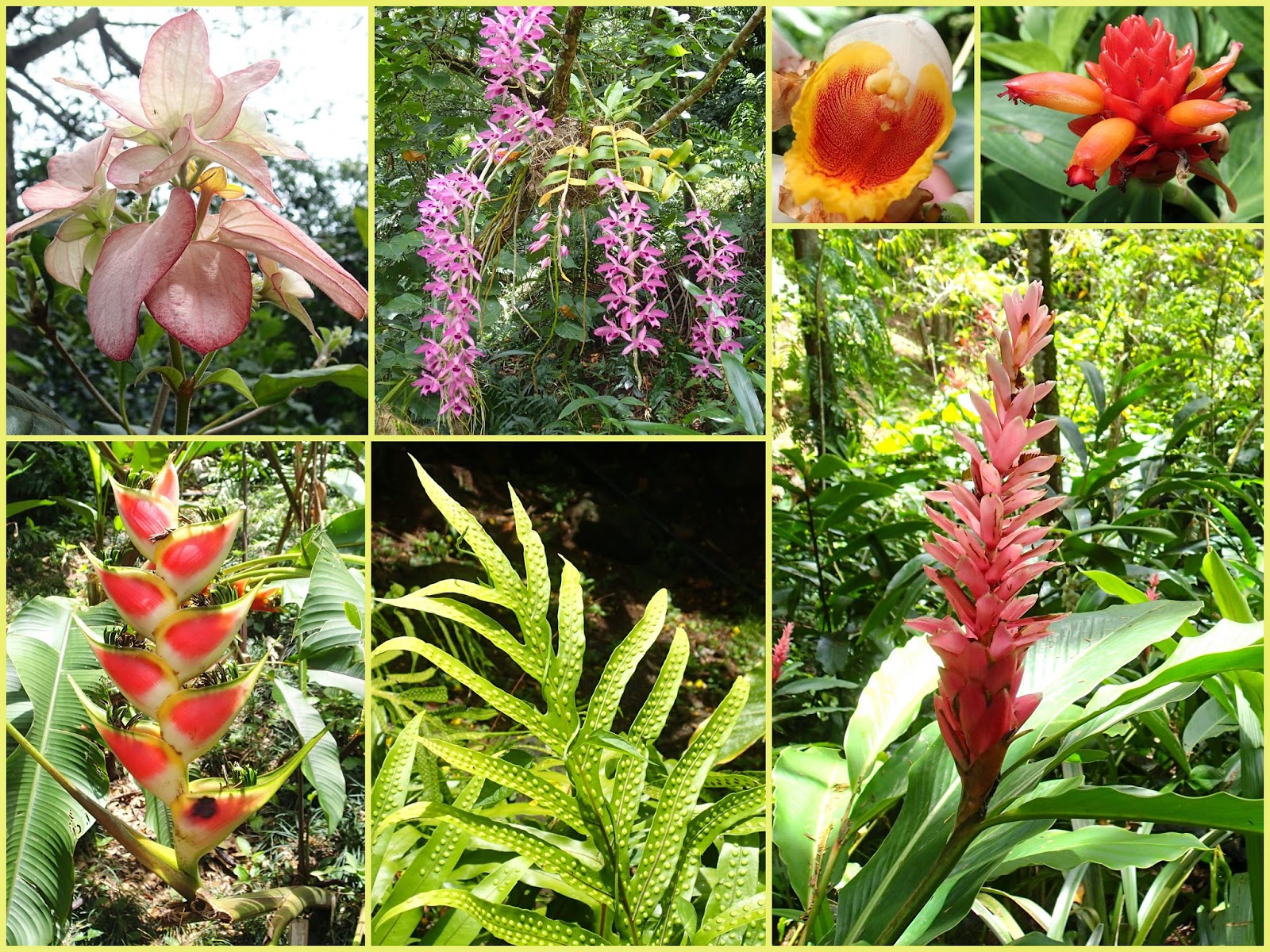
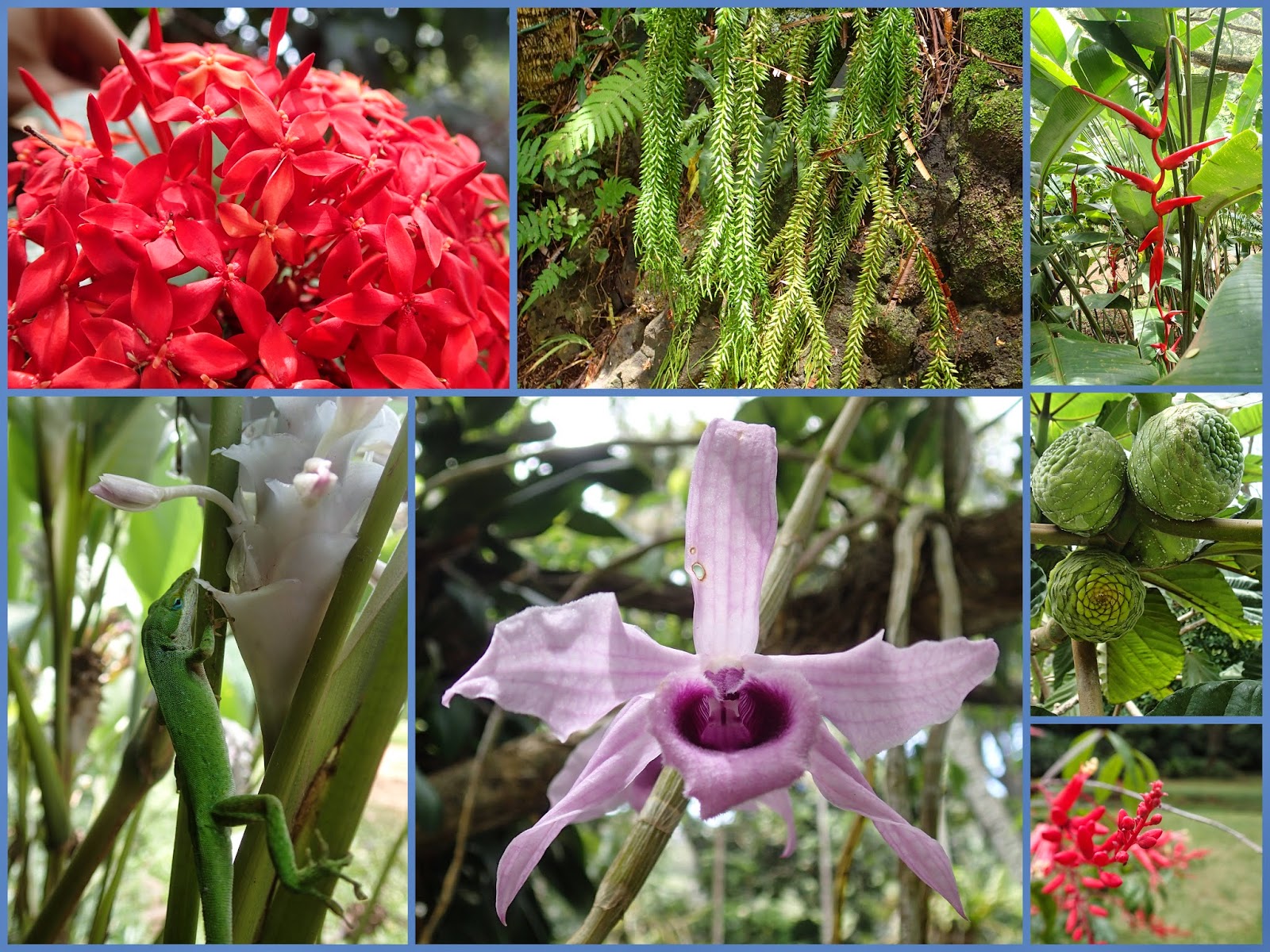
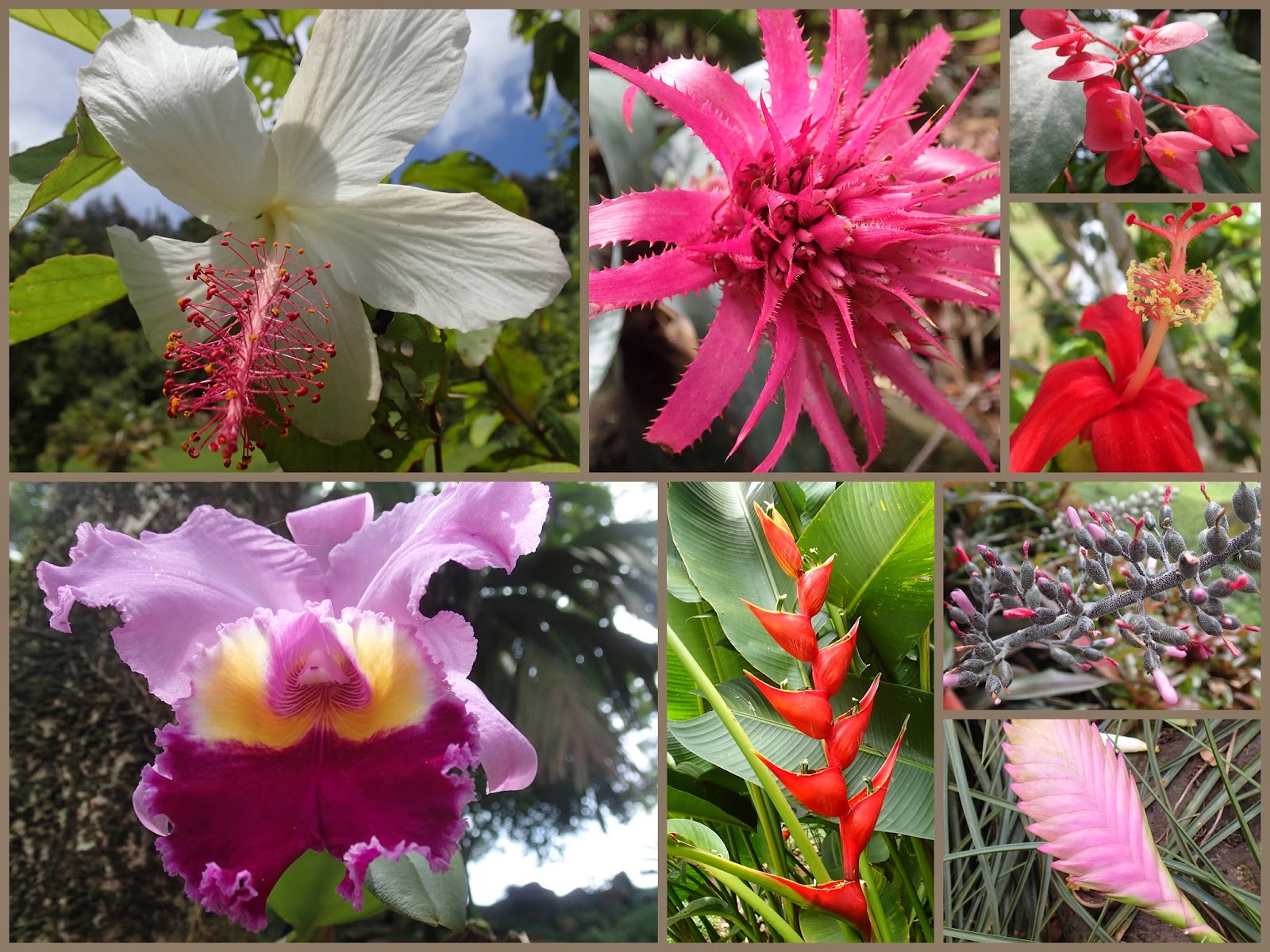
While on Kauai we took a tour of Allerton Garden which is part of the National Tropical Botanical Garden: dedicated to preserving tropical plant diversity.

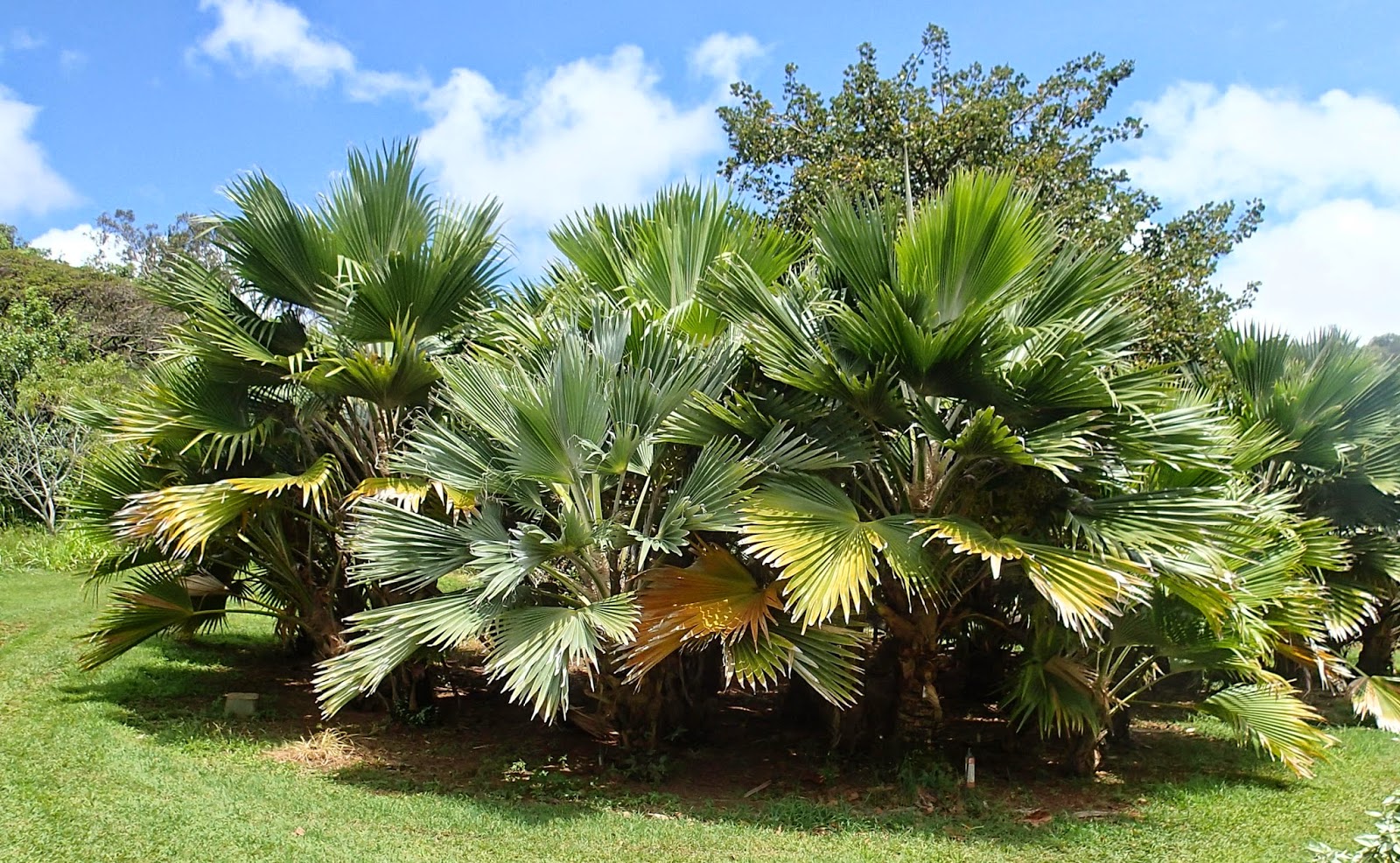
Allerton Garden has both native Hawaiian plants and other exotic tropical plants from around world.

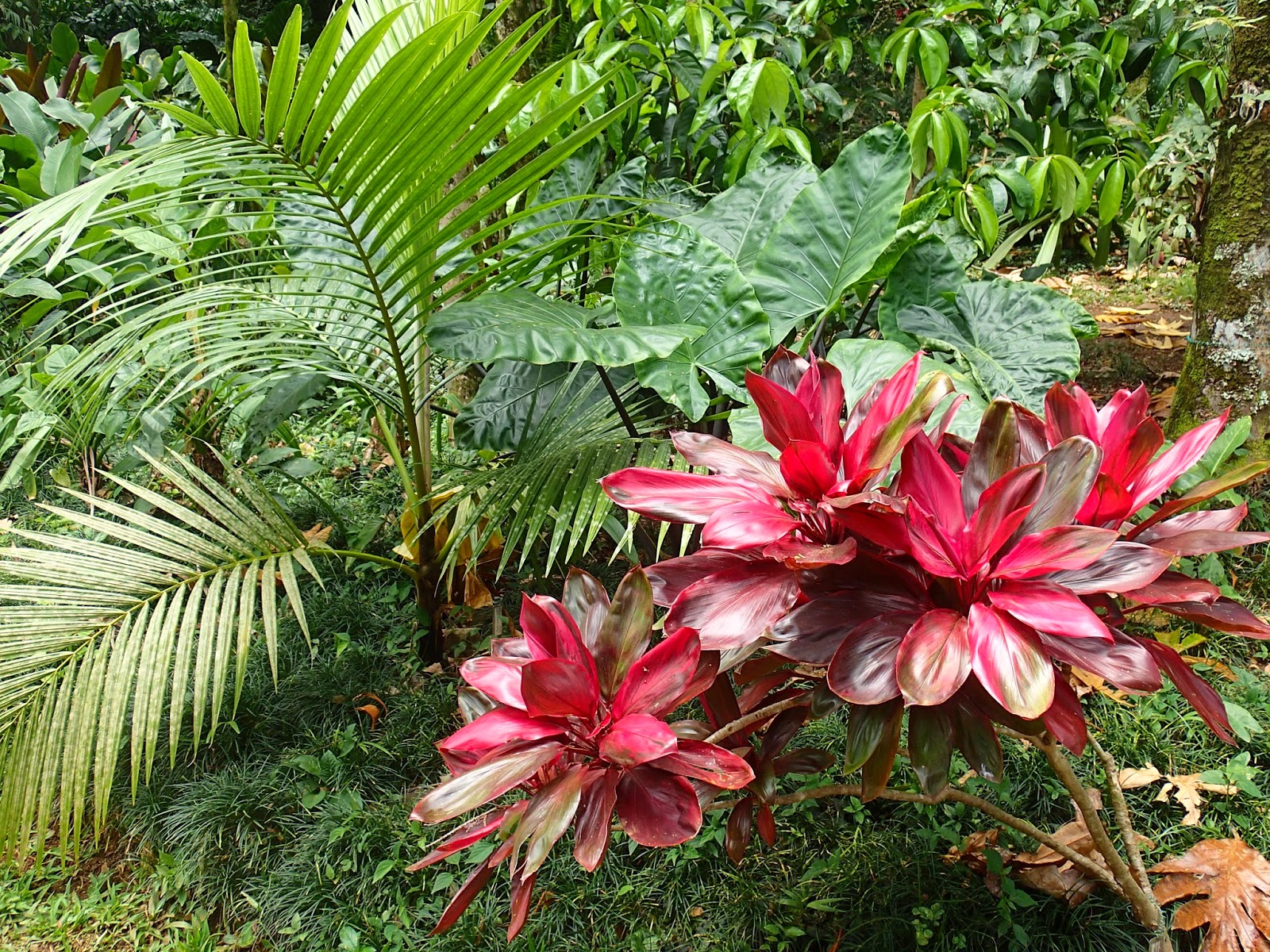
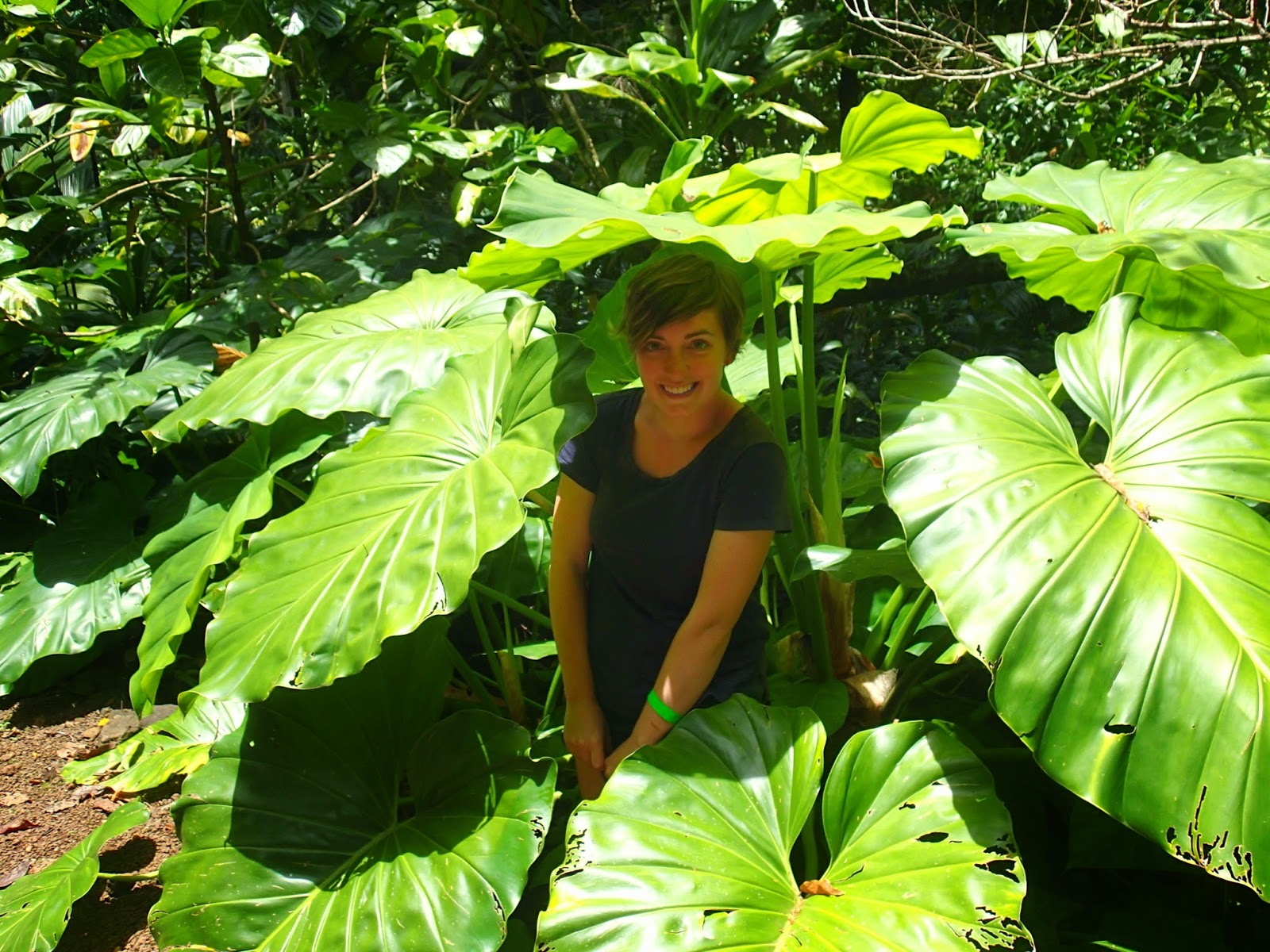
We were just a little late for prime blooming time, but we did get to see some very interesting flowers. The plants themselves were pretty cool regardless of flowers. The size, shape, texture, and arrangement of the foliage (and flowers) were quite interesting.

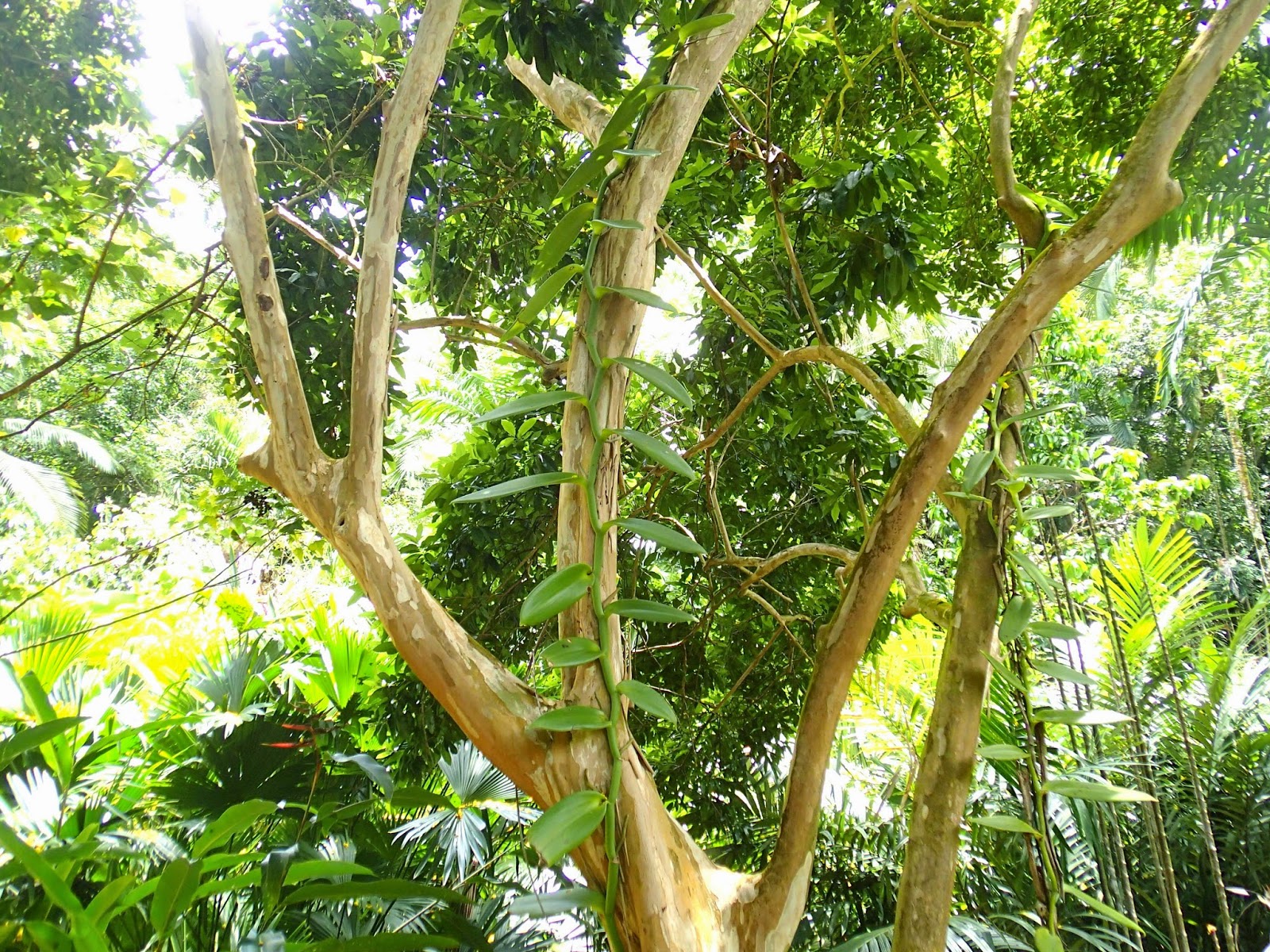
There were some very novel plants that we got to experience growing in their nature climate (if not their native location) such as Aerophytes, Epiphytes (like orchids), and various exotic trees.  My favorite was the Baobab.

Here is some of what we got to see.


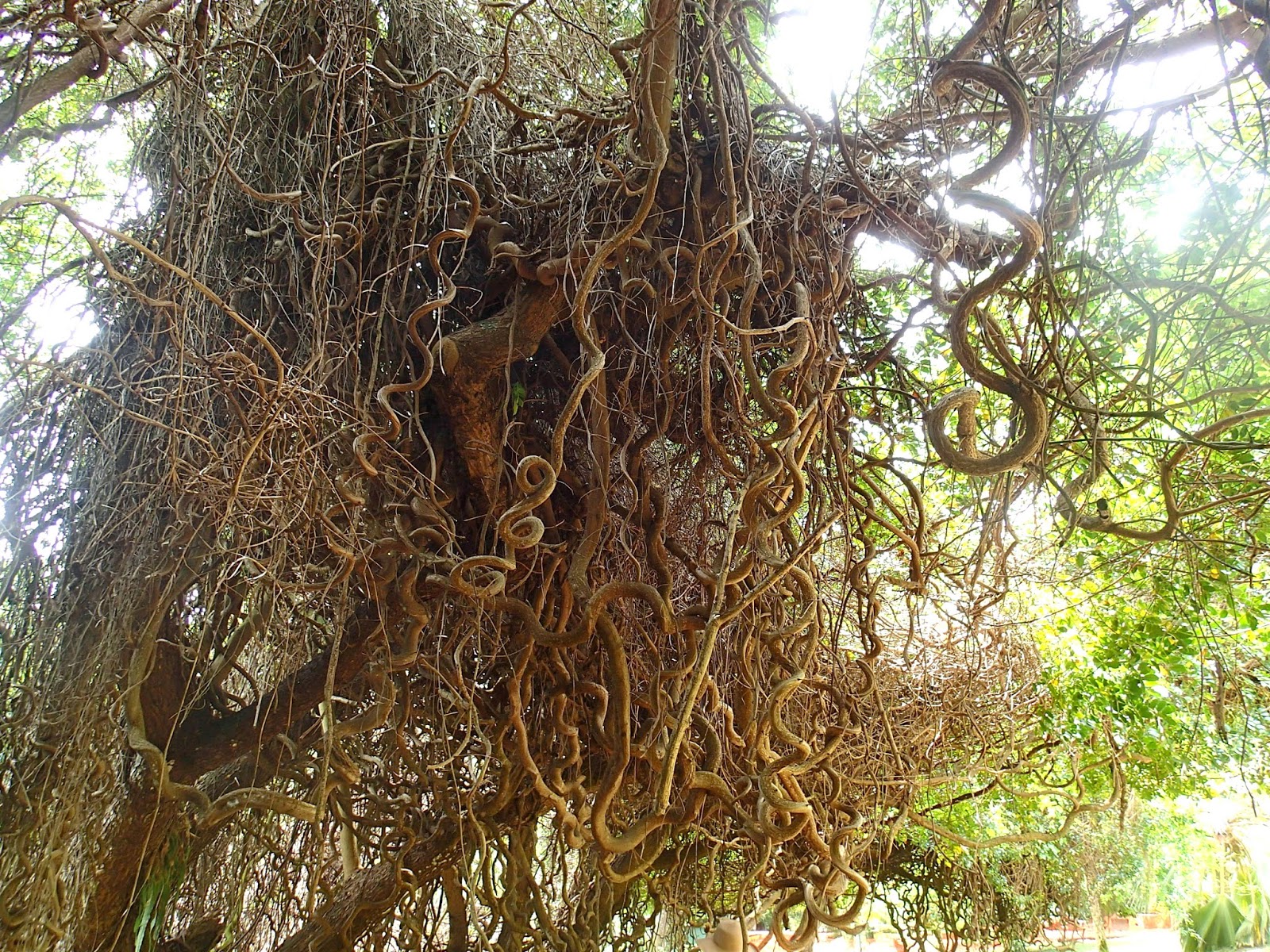
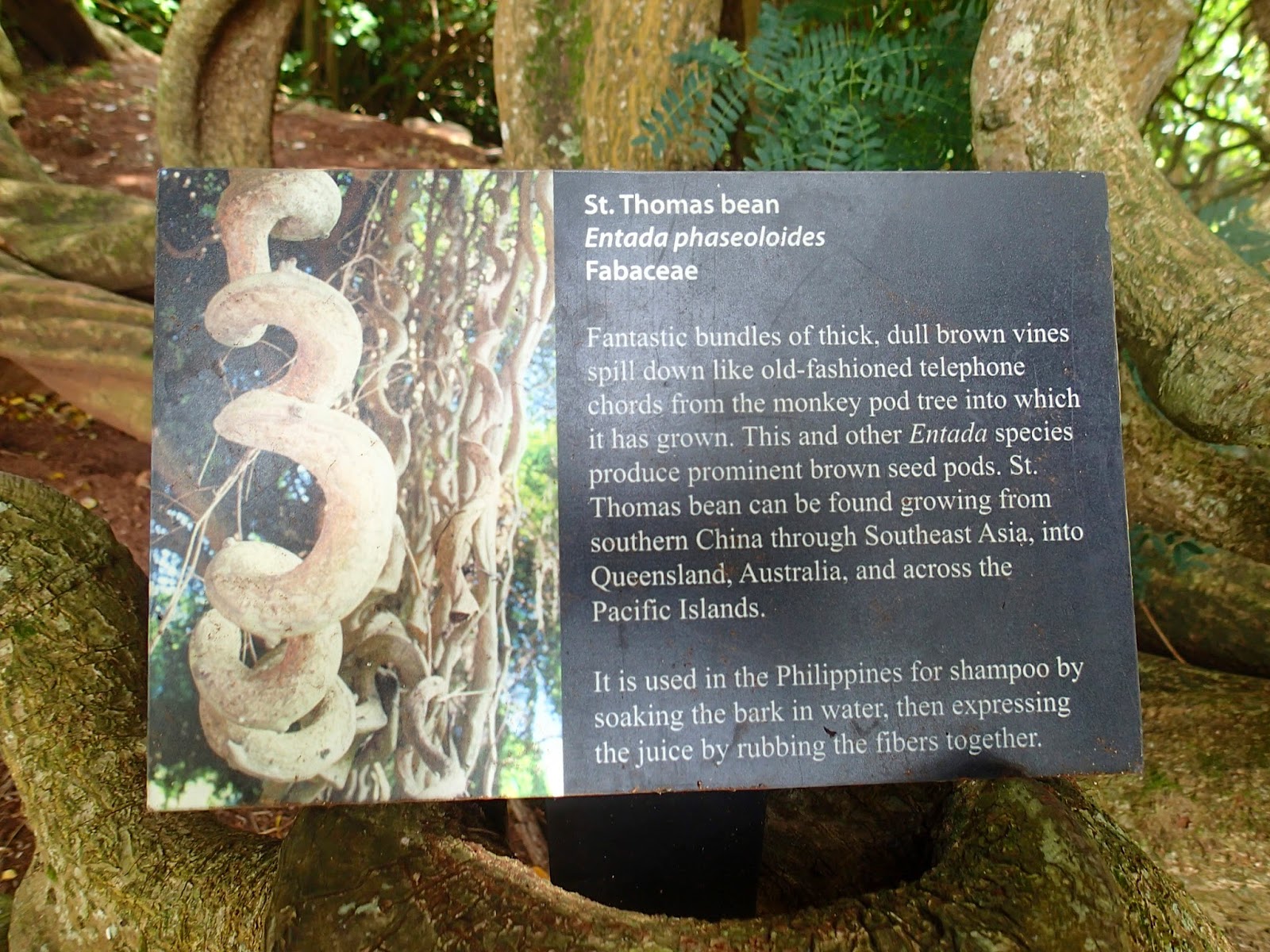
This was cool. and crazy


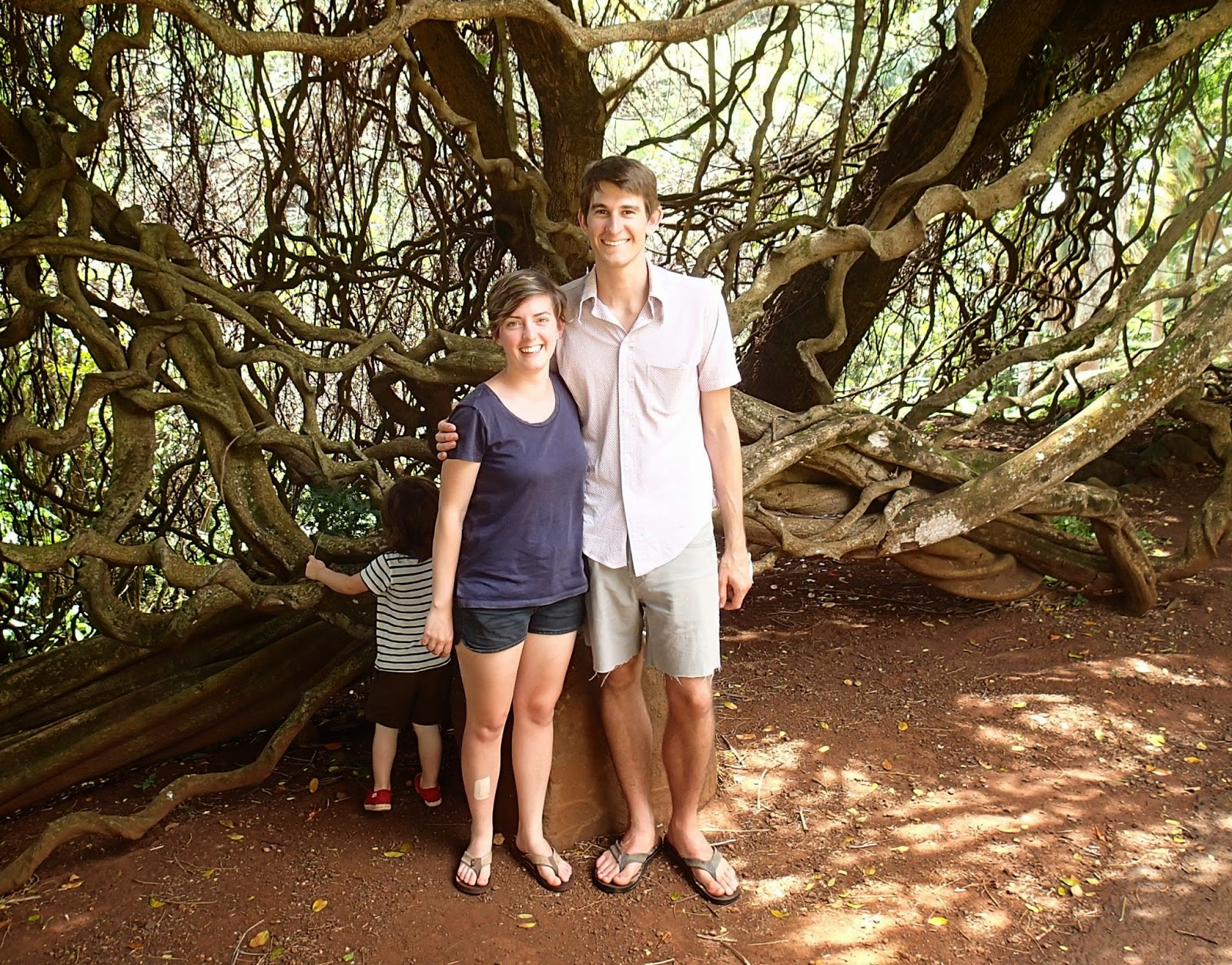
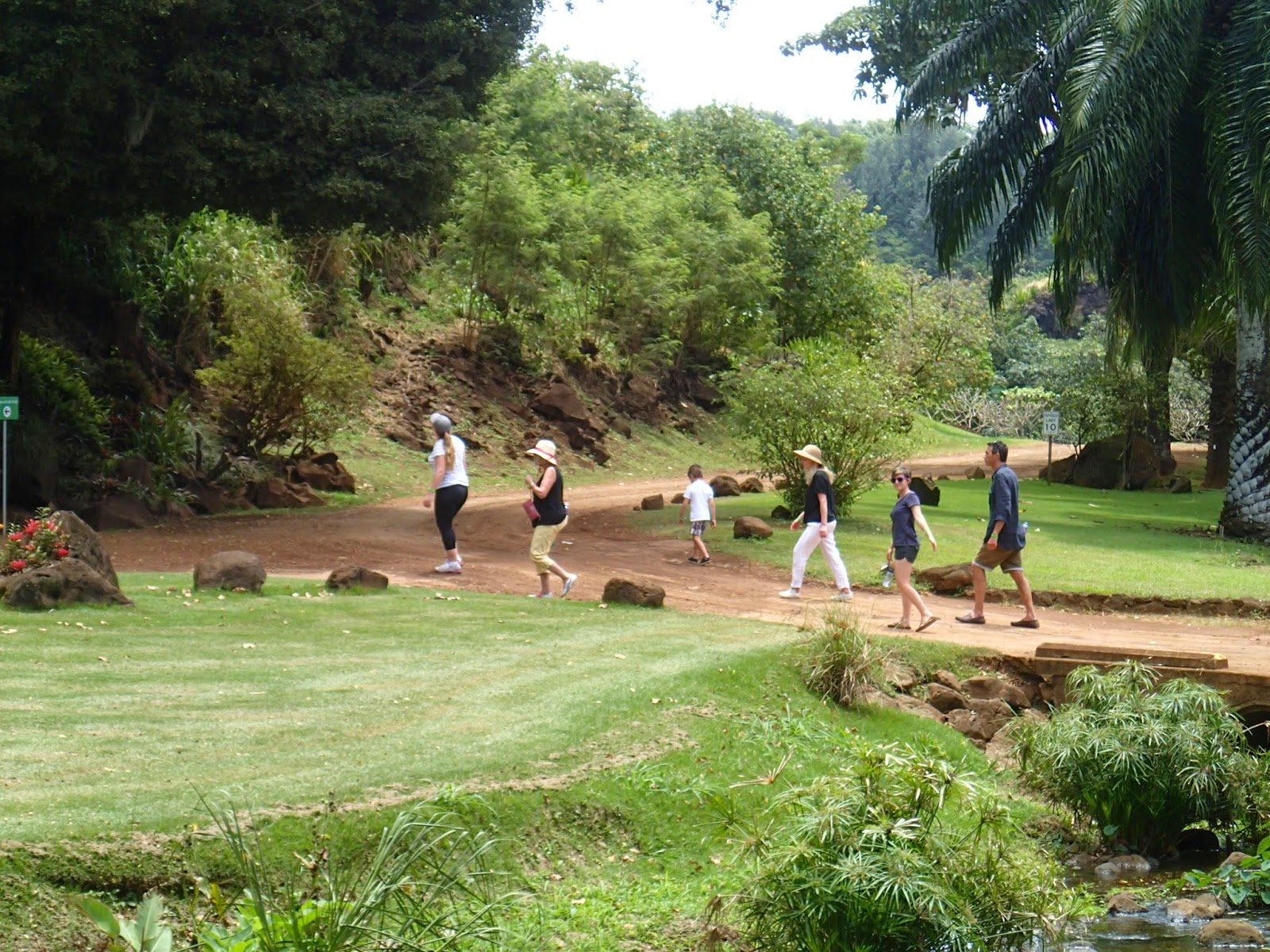
Tess' bosses were vacationing on the island at the same time, so we met up to tour the gardens.


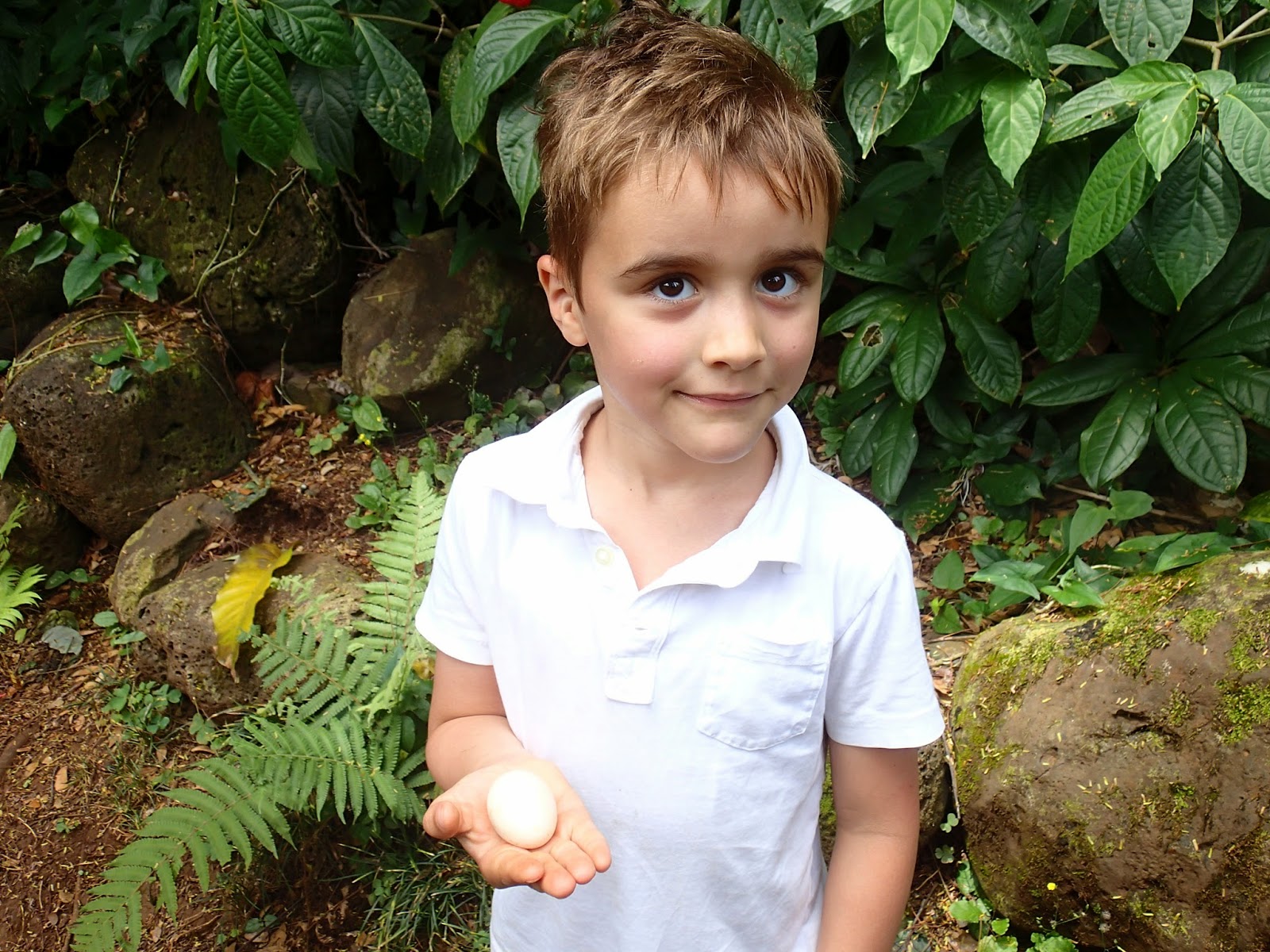
Eugenio found some chicken eggs


The whole crew.  Except for......

...Aurelio.  Can you find him?


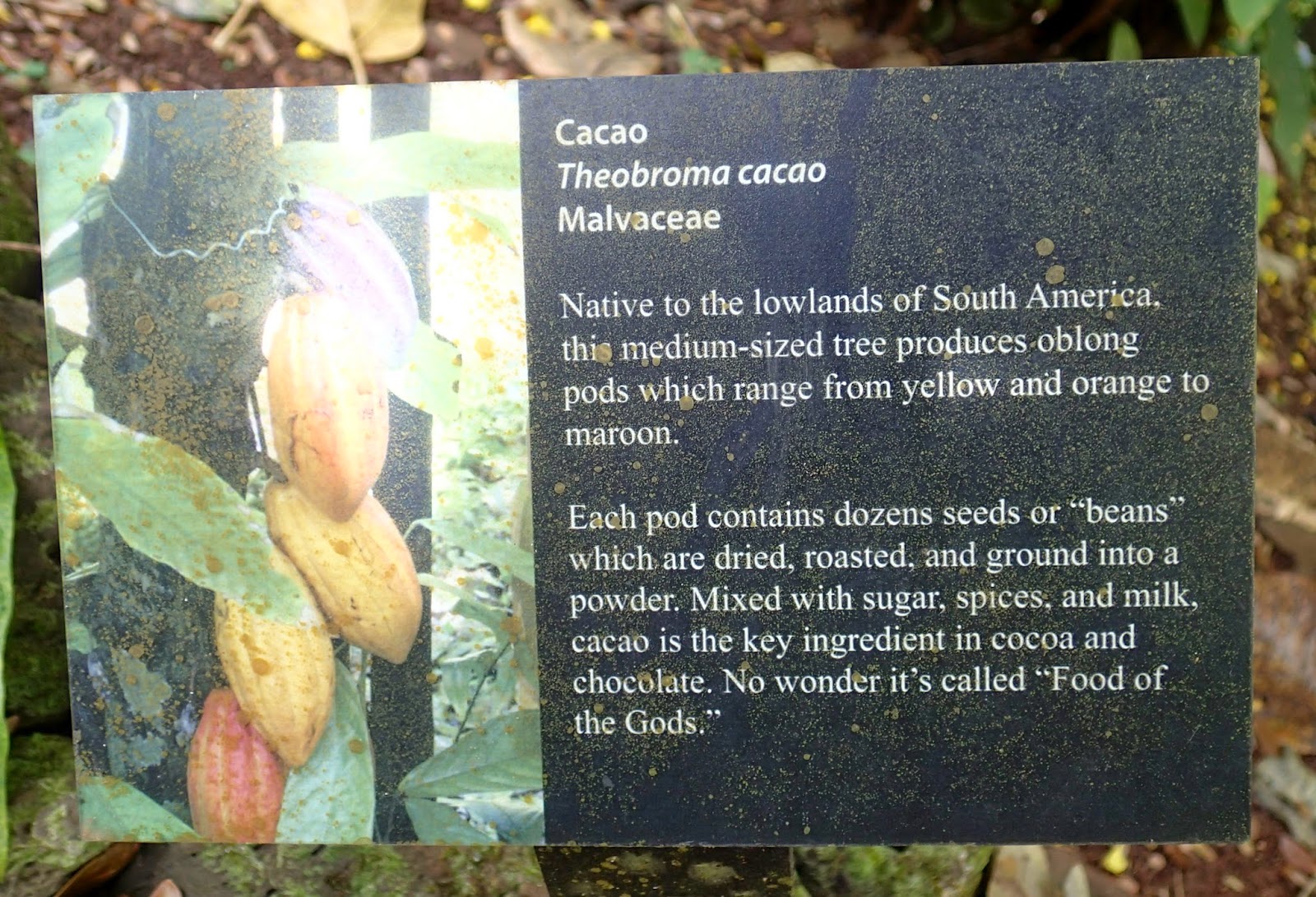
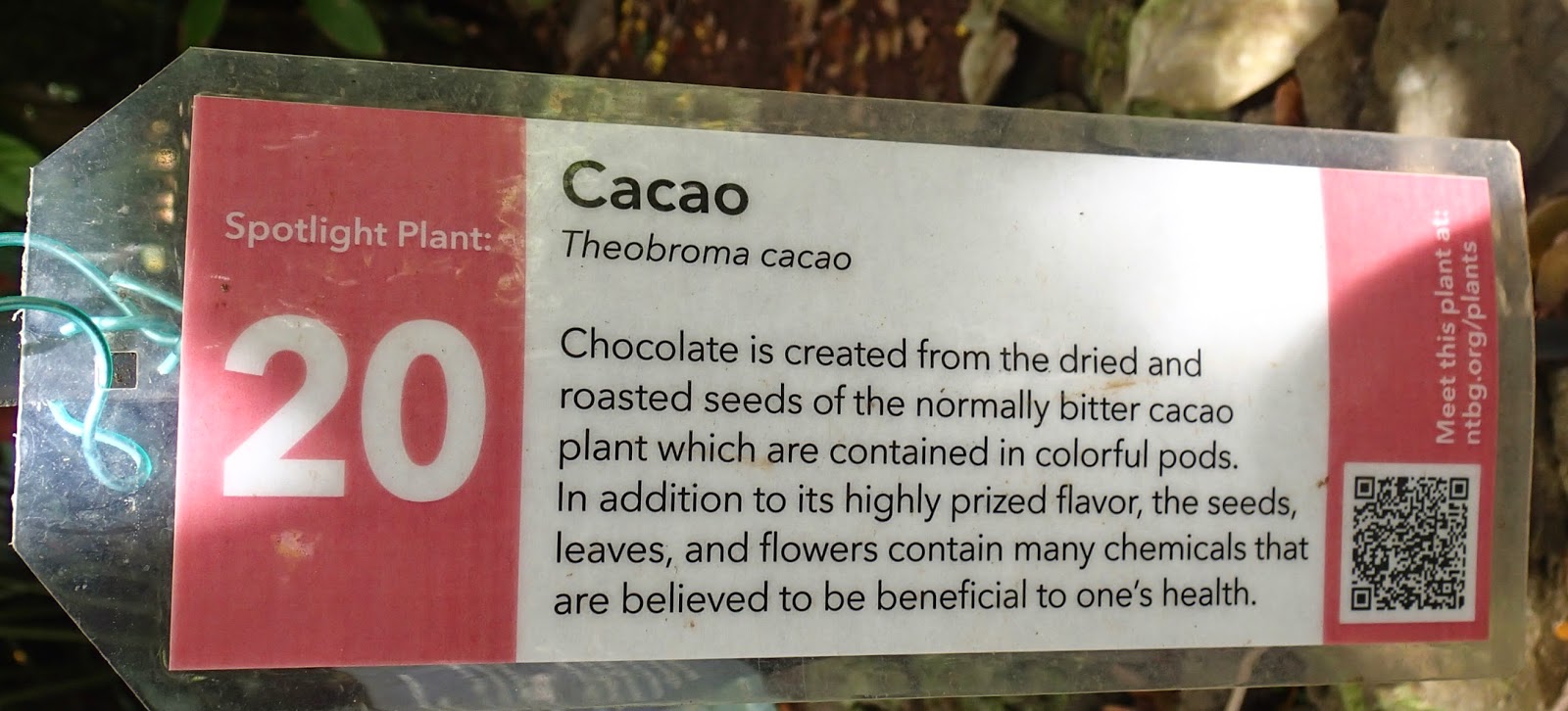
Cacao tree. Tess holding a bean pod.


Baby Baobab Tree

Sunday, December 1, 2013

Museum of Glass

Long time, no post. That’ll happen.

We took a half-day trip down to Tacoma to check out the city.


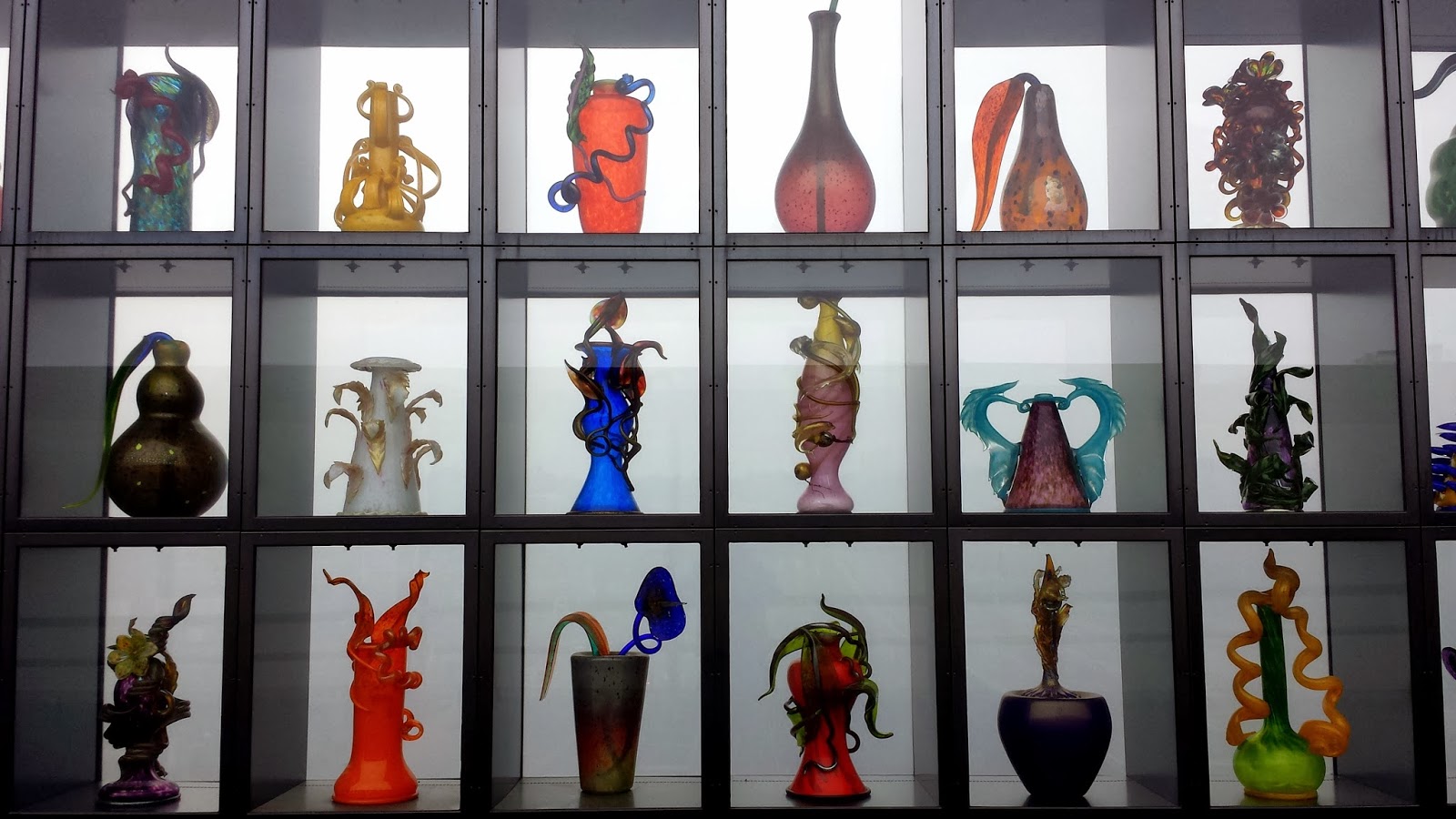
Tacoma is the birthplace of the renown glassblower Dale Chihuly and is therefore home to the the Museum of Glass.  I've wanted to check it out for a while now. Glassblowing is kinda big out here. 

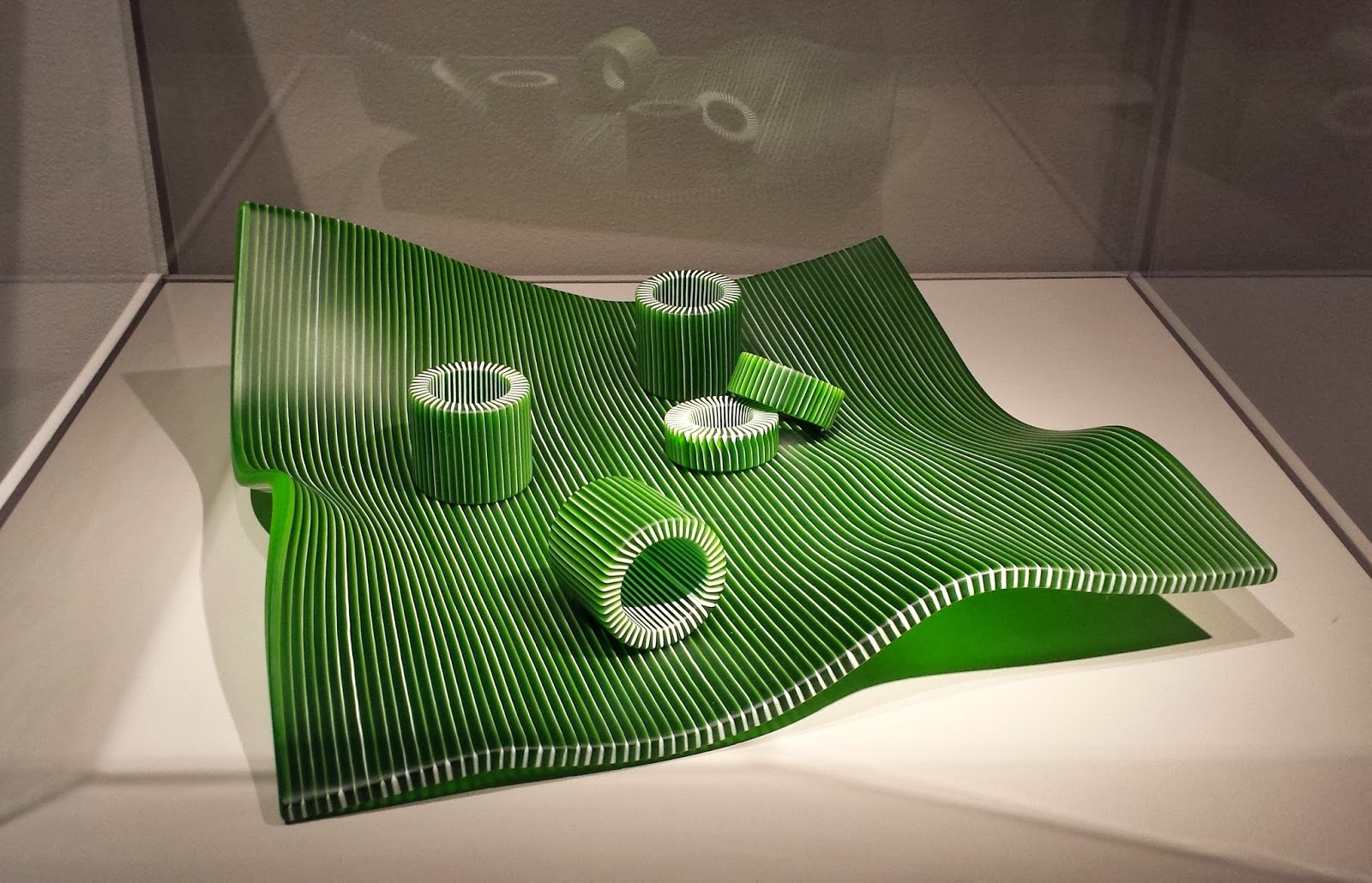
This is my favorite piece from inside the museum.

Attached to the museum is the Bridge of Glass, which I actually enjoyed more than the museum. The bridge is free to the public! It kind of looks like the world's fanciest collection of bongs. It isn't. But I'm fairly certain that the creator and owner of the worlds most impressive collection of bongs is likely Chihuly himself. Anyway, he makes some really beautiful work. 


Inside the museum is an area where you can watch and learn about glassblowing in person. It was a cool thing to see.


Seattle has also tried to get in on the glass hullabaloo with the very recent installation (in May 2012), Chihuly Garden and Glass, at the base of the Space Needle which we have yet to go to, (and may not now that we have gone to the other one).

Anyway, it was pretty cool. Tacoma seems cool too, although we didn’t actually see a whole lot more, since it gets dark at freakin’ 5 o’clock (stupid winter). We'll hafta make another trip down to see what else is going on in Tacoma.

Wednesday, August 29, 2012

The EMP Museum

The EMP Museum           [photo courtesy of Wikipedia]
We finally made it to the EMP Museum (formally known as the Experience Music Project) which was founded by Paul Allen (of Microsoft money).  The EMP is part museum and part interactive funland. It is a Mecca for music lovers and Sci-Fi geeks alike. The building itself is as architecturally interesting on the outside, as the content is on the inside.

Gigantic sculpture of musical instruments in the middle of the museum.

Current exhibits include Nirvana and the Seattle Grunge scene, Jimi Hendrix, AC/DC, photos of The Rolling Stones, a guitar gallery, Avatar, horror films, and Sci-Fi artifacts.

I really enjoyed the Nirvana exhibit as a look into the musicians lives and Seattle as a music scene as well as the epicenter of music for a brief moment in time. The horror films showcase was really cool too and gave me an appreciation for horror films that I previously did not have.

It was cool to see all these music, Sci-Fi, and horror artifacts.

There was a scream booth where you make your best bloodcurdling scream.

This was an interactive display based on the movie Avatar, where you literally controlled an avatar. The computer calibrated to you, and then it mimicked whatever you did, in a computer simulation of Pandora. Pretty nifty. Watch until the end when I touch the plants and make them retract, just like in the movie! Don't worry, I won't quite my day job to pursue an acting career....


To summarize... the EMP is cool.

Sunday, March 4, 2012

Pacific Rim Bonsai Collection

Note:  If there is no mouse-over effects (mouse-over the 2nd picture of this post to see), you may need to  redirect to the specific post  or go to the full blog [depending on the browser].

While our friend Blake was visiting we had a busy week, which included a trip down to check out the Pacific Rim Bonsai Collection, which used to serve as the visitor’s center of the 500-acre Weyerhauser corporate campus in Federal Way, Washington. 

I knew ahead of time that it was going to awesome, but I had no idea just how amazing of an experience it was going to be. From the shear amount of superlatives I am about to throw down, you can rest-assured that this was one of most fascinating exhibits I have ever encountered. It truly changed my mindset on at least bonsai, if not art itself. I was so overwhelmed by beauty, variety, and Zen that it reminded me of the joy of experiencing the Rose Gardens in Portland. The collection was beautiful, emotional, fascinating, and mind-blowing.

We all have a notion of what bonsai is…. a little conifer tree perhaps?... which is good start, because many bonsai are conifers due to their resilience and ability abide the strains which bonsai undergo, but conifers are just the tip of the iceberg of the possible varieties of bonsai.  For starters, a bonsai can be any type of tree!

A great definition of bonsai is found here, summarized as: “Bonsai is a small-scale representation of a mature tree in nature. It is not a literally accurate image, but a suggestion that is somewhat abstracted and idealized according to the intent and taste of the artist. The goal is not to create an exact replica of a large tree, but to create a simplified, abstract form that suggests a scene and elicits an emotional response.”

‘bon’ = tray, and  ‘sai’ = plantings, so it translates as: “plant in a tray”.  The correct pronunciation is ”bone-sigh” (not banzai).

Some of them looked like miniature versions of the real trees, like this absurdly-amazing lil’ Redwood which is like the gigantic redwoods we saw in California.


Some of them were groves of trees! 


...and others were stunning pieces of art. There is just as much art to them as there is tree! In many of the pieces, there is a striking use of contrast, form, space, texture, arrangement, symmetry (not to mention the choice of mosses, rocks, pots, etc, to accentuate the trees).


It is also a fascinating science! It often involves intense manipulation to get the plants to do, or give the appearance of doing, what artist envisioned, for example the use of grafting and the fusing plants. 

And boy did they succeed in invoking a full spectrum of emotions! Most commonly it was overwhelming joy or outbursts of laughter as we would walk around a new corner and see a work of art (so improbably) more amazing than the last.

When you look at each piece you cannot help but marvel at the unbelievable foresight of the artist, to perceive a concept of which he/she would not see come to fruition for many years. And then you ponder the artists continued devotion and patience through the meticulous process of evolving their design as the tree grows, all the while, keeping this living thing alive through a process which is by definition stressful to the plant. Oh yeah, did I mention that some of them have been bonsai for over 100 years! Or that some of the trees themselves are over 400 years old!

Being ancient, priceless, works of living art, each piece has a history worthy of its own biography. For example, there is this tree, which barely survived World War II, when its owner/artist was placed in a Japanese internment camp. The bonsai (so coddled and so dependent on human intervention) began to take a turn for the worse. The bonsai only persevered by growing its root through the wooden shipping crate it was in at the time, and into the ground, as it was found once the war was over! It is still alive and still amazing, but no longer the same as it was once envisioned by its artist.   

Note the large size of this piece, since it grew unchecked during WWII. (the pot is about 5 ft wide)

Just as fascinating as the bonsai themselves was Scarlet, their caretaker and the collection’s only paid employee (other than the Curator). She has devoted 16 years of her life directly to caring for these plants and knows each one in intimate detail (their history & stats, the evolution of their physical form, and the hurdles they have lived through, etc). She is one of those lucky people who absolutely loves their job (who wouldn't?) and is quite passionate about the topic.

She was very knowledgeable and was more than willing to answer the questions we came up with, which went beyond the scope of the bonsai. We were the only 3 people there for the tour, so we got to talk very candidly with her about her job, the collection, her emotional attachment to the plants, the joyous ups and the tragic downs of such a career, and how the collection is being released from Weyerhauser’s corporate ownership to become a non-profit organization (for better or for worse). A very interesting person, quite intertwined with a specific and fascinating career, during a time of transition and uncertainty; for the trees, the collection, and several people's careers.

On top of it being an amazing experience, it was all FREE! …which makes it quite possibly the best free exhibit I have encountered. The free admission is subject to change as they transition into a non-profit (Seems counter-intuitive doesn’t it? …but they will need funds to keep it running when they lose their corporate ownership. Which consequently, in a recession, is why Weyerhauser is dropping the collection.) I would gladly pay admission (or a membership) to view this again. The deciduous trees of the collection already have given me 3 reasons to come back: Spring, Summer, and Fall; All of which offer an entirely new experience of viewing the living art! Considering how beautiful they were even without leaves, I cannot wait!

I absolutely recommend this to anyone in this quadrant of the continent, and if you are out of range, I recommend you find the nearest bonsai collection on this continent (of which there are ~24) and go check it out, because it is far more fascinating than you thought!

... and sadly my pictures do not even begin to do justice to the beauty of this collection!


Enjoy the remaining pictures from the collection.
["mousing-over" the picture brings up the placard for the bonsai, with all kinds of great metadata]


There were many more pieces at the  Pacific Rim Bonsai Collection , so go check it out!